
千年古村马卧泥再度出圈
Millenium old Mawoni Village takes the spotlight again
楚天都市报极目新闻记者 刘俊华
通讯员 李重庆
翻译:周淼晴 刘珊男 何凌寒(湖北大学)
Jimu News
Reporter: Liu Junhua
Correspondent: LiChongqing
Translators: Zhou Miaoqing, Liu Shannan, He Linghan(Hubei University)
宜昌市夷陵区的深山中,有一个名为马卧泥的村庄。这个世外桃源般的山村,一直流传着关羽行军受阻的故事。近年来随着乡村游不断升温,村里的几十棵银杏古树意外出圈,秋冬时节成为游人争相打卡的热点。
In the remotemountains of Yiling District, Yichang City, lies a village called Mawoni(its literal meaning is “ahorse lying in mud”). This idyllic mountain village has long been associated with the story of Guan Yu facing obstacles during his military escapades. In recent years, with the continuous rise in popularity of rural tourism, several dozen ancient ginkgo trees in the village have unexpectedly gained attention. During the autumn and winter seasons, the trees become hotspots where tourists eagerly seek to snap a photo.
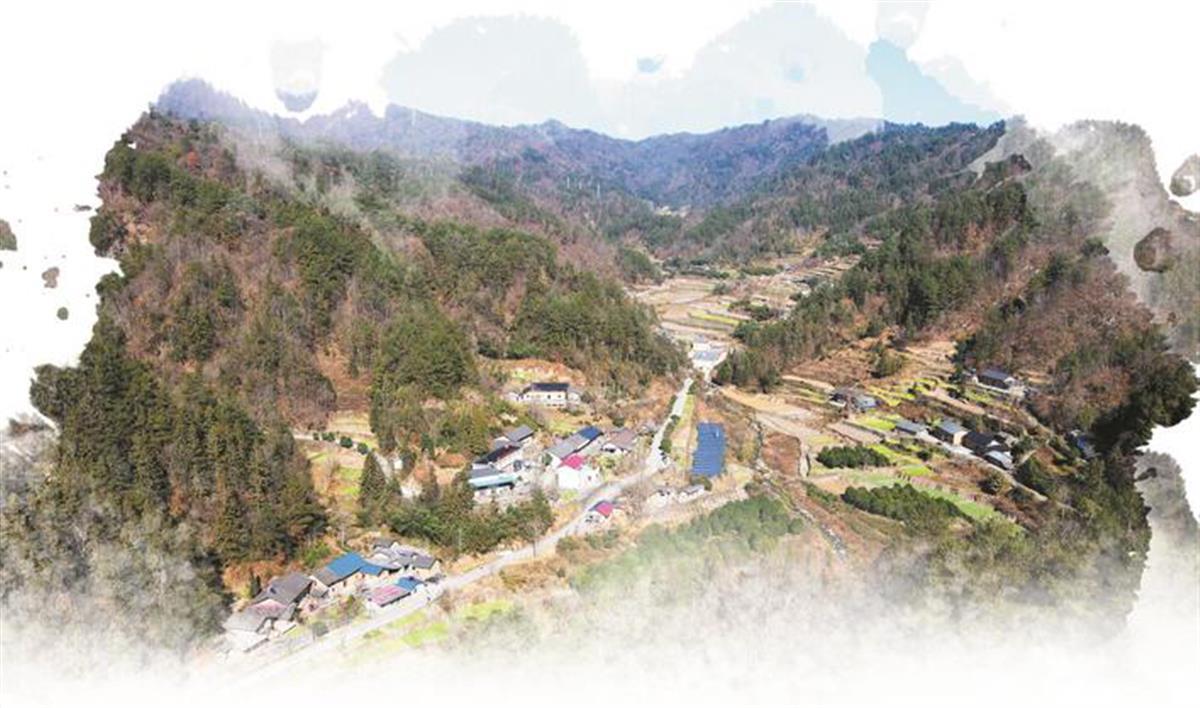
马卧泥村俯瞰图Aerial view of Mawoni Village
战马卧泥之处耕牛不敢涉足
Where warhorses lie in the mud, plow oxen dare not tread
如今的马卧泥村属于夷陵区雾渡河镇管辖,这里正好位于北纬30度。因为村庄在群山环抱之中,从宜昌市区出发,需要2个多小时车程。
Mawoni Village falls under the jurisdiction of Wuduhe Town in Yiling District,andis located precisely 30 degrees north. The village, surrounded by mountains, requires a journey of over two hours by car from Yichang City.
12月7日,极目新闻记者驱车前往,从G42高速公路雾渡河出口转入山路,一路不知攀升过多少山梁。记者正在疑惑,这样的山地,怎么会有导致马足深陷的淤泥呢?
On December 7th, a reporter from Jimu News drove there, taking the mountain road from the Wuduhe exit of the G42 expressway, and trekking countless ridges along the way. The reporter, puzzled, wondered how a terrain like this could create the muddy conditions causing horses’ hooves to sink deep.
直到导航指引车辆进入到一个相对平缓的山谷,这是宜昌山区常见的地势,在山体海拔900米的高度,铺开一块成片的平地。一般这样的地势,都会取个某某坪的地名。
It was not until the navigation system guided the vehicle into a relatively gentle valley, a common topography in the Yichang mountainous area, that the mystery unfolded. At an altitude of 900 meters, a flat expanse of land appeared. Typically, in such terrain, a place would be named ending in “ping” (flatland).
记者请教一位坐在村口晒太阳的老人,他叫邵长新,今年74岁。他很坚定地介绍,这个村子祖祖辈辈就叫“马卧泥”,就是因为关公行军经过这里,战马陷到烂泥湖里了。
The reporter consulted an elderly man basking in the sun at the village entrance. His name is Shao Changxin, 74 years old this year. Shao confidently explained that the village has been named “Mawoni” for generations because Guan Yu passed through the village, and his war horse got stuck in the muddy lake.
邵长新指着不远处的一片水田说,就是那片烂泥湖。因为田中间有几个泉眼,雨水多的季节,泉眼里会涌出水来,就会形成淤泥。
Pointing to a nearby paddy field, Shao identified it as the said muddy lake. In the middle of the field were several springs, which during seasons with heavy rainfall, would have water gushing out, creating the muddy conditions.
老人猜测,关公的战马就是陷到那片水田中了。“直到现在,村里的耕牛都不肯到这片田里去耕地,所以就这样荒着。”邵长新煞有介事地说。
Shaospeculated that Guan Yu’s warhorse might have gotten stuck in that waterlogged area. “Even now, the village’s plowing oxen refuse to work in that field, so it remains fallow,” Shao stated emphatically.
邵长新老人的介绍,是无法去较真考证的。大多数传说都是这样,靠着山野村夫口口相传,传得久了就有人信了。
However, his account could not be rigorously verified,as most legends are passed down through generationsby word of mouth and gradually gain credibility overtime.
在马卧泥村村委会设立的一块村情简介牌子上,也是说因关羽的战马卧在泥里休息,而得此村名。
On thevillage information sign erected by the Mawoni Village Committee, it is also mentioned that the village got its name because Guan Yu’s warhorse rested in the mud here.
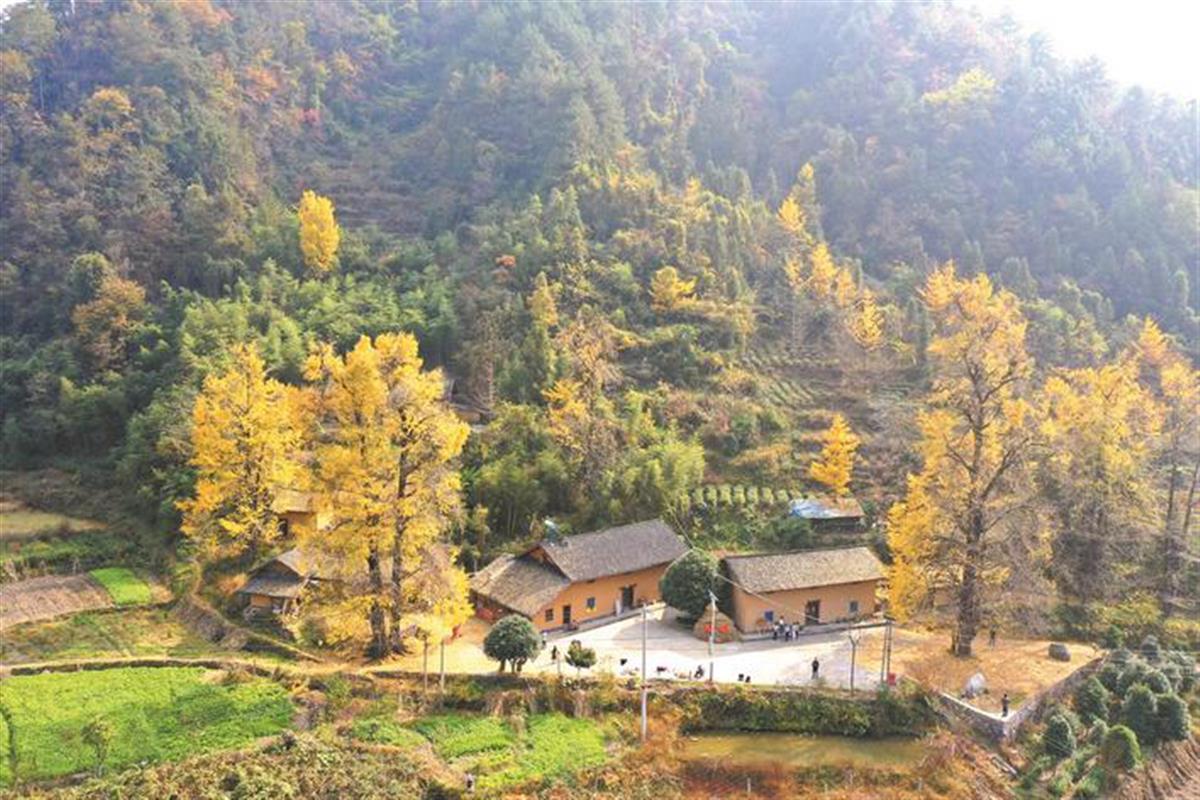
村民家门口的银杏树Ginkgo trees in front of villagers' homes
寻常白果曾为村民增收助力
Humble ginkgo nuts increase the villagers’income
尽管马卧泥的传说在当地经久不衰,但这个地处偏远的村庄,在关羽离开后的一千多年里,依然是籍籍无名。
Despite the enduring local legend that Guan Yu’s horse was once stuck in the mud, the remote village remained unknown for more than one thousand years after Guan Yu’s departure.
这里再次被关注,大约是上世纪八十年代中期。那时,银杏作为一味药材,在国际市场上突然身价暴涨。而马卧泥村的山前山后,恰好有许多大银杏树。银杏在当地被称为白果,自古有“爷孙树”之称。也就是说爷爷种下树,要到孙子手上才能采果。树龄越老的银杏,果实品质越好,药用价值更高。
It was only around the mid-1980s that the village returned in the spotlight. Ginkgo prices suddenly spiked at that time as the plant began to be used as a medicinal herb. By lucky coincidence, there are many large ginkgo trees in the front and back of the village. Gingko nuts, referred to as “white fruits” by locals, have long been known as the “grandfathers and grandsons tree”, owing to their long growing time. Generally, when a grandfather plants the tree, the gingko nuts are only ready for harvest during the grandchildren’s generation. The older the tree, the better the quality of the nuts and the higher the medicinal value.
马卧泥的银杏树,都在百龄以上,千年银杏都不罕见。正是这样,村里的白果引来许多药材收购商抢购。曾经在夷陵区外贸公司工作的退休员工陈传华说,1985年的时候,马卧泥的白果价格曾卖到50元一公斤,大都出口到日本。有个村民家门口有棵几百年的银杏树,一年卖白果的收入有9600元,轻松成为当年的万元户。
All the ginkgo trees in the village are over a century old, with some even a thousand years old. That is why ginkgo nuts in the village have attracted numerous medicinal herb buyers. Chen Chuanhua, a retired employee who worked for a foreign trade company in Yiling District, said the ginkgo nuts in the village were sold at 50 yuan per kilogram, most of which were exported to Japan. One villager who had a hundred-year-old ginkgo tree in front of their house, earned 9,600 yuan a year from selling ginkgo nuts.
还有许多银杏树属于村集体,因为白果值钱,村里请村民采摘变卖,也增加了不少集体收入。在那个不富裕的年代里,马卧泥村靠着银杏树过得还算滋润。
Many ginkgo trees belong to the village collectively. Due to the high economic value of ginkgo nuts, the village invites residents to pick and sell the nuts, contributing significantly to the village’s overall revenue. Consequently, villagers were able to earn a decent income simply by selling ginkgo nuts.
可惜这样的行情没有持续太长时间,随着山林承包到个人,一些老树被砍伐,村里的银杏树也减少很多。即便如此,一些早年被砍的银杏树又发新枝,再度郁郁葱葱,也有许多百年老树幸存下来。
Unfortunately, those days with a booming ginkgo market were short-lived. Some old trees were cut down, and the number of ginkgo trees in the village also plummeted, as the forests were contracted to private owners. Even so, some ginkgo trees that were cut down in the early years regrew and became lush again, while a few other hundred-year-old trees survived as well.
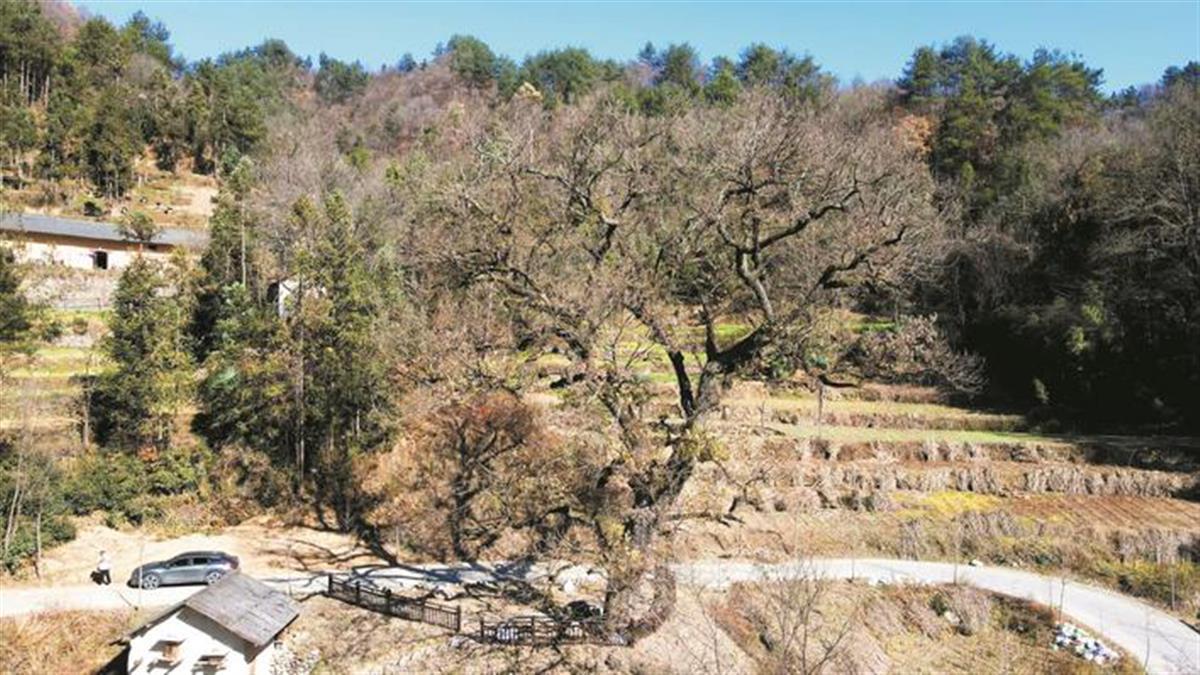
被围起来保护的千年古树A thousand-year-old tree fenced-off for protection
千年银杏一朝出圈四方来客
Millennium-old ginkgo treesattract visitors from all directions
谁也没想到,正是这些保留下来的银杏树,会在几十年后让马卧泥村再度走红。
Decades later, no one would have expected these preserved ginkgo trees to bring renewed fame to Mawoni Village.
近几年来,乡村振兴的战略不断深入推进,马卧泥凭着民歌和天然的生态环境,也逐渐受到外界关注。不知是哪年秋天,一群热衷于乡村游的都市客人走进山村,被漫山遍野的银杏黄叶所沉醉,将照片发布在网上,让马卧泥银杏一夜走红。
In recent years, as rural revitalization efforts intensify, Mawoni, known for its folk songs and natural ecological environment, has gradually gained attention. One autumn, a group of urban visitors who were passionate about rural tourism came tothe village. Captivated by the golden ginkgo leaves covering the mountains, they posted photos online, making Mawoni's ginkgo trees an overnight sensation.
在村民彭福洪家的庭院里,两棵高大遒劲的千年银杏树静静伫立着。“每年十月,银杏叶黄,一批接一批的游客,专门为了这几棵树而来。”说起银杏,彭福洪的老伴向婆婆来了兴致,老两口经营“坛子口”农家乐,有客人时,总会做几个拿手好菜招待。
In the courtyard of villager Peng Fuhong’s home stand two towering millennium-old ginkgo trees. “Every October, when the ginkgo leaves turn yellow, batches of tourists come specifically for these trees,” says Peng Fuhong. Speaking of ginkgo trees, Peng Fuhong’s wife grew enthusiastic. The elderly couple runs a rural farmhouse called “Tanzikou”, and whenever they have guests, they always prepare some signature dishes for them.
据村支部书记郑小群介绍,马卧泥村现有49棵树龄近千年的银杏树、花栗树等古树名木,依托这些古树名木发展起来的乡村旅游,成为他们脱贫攻坚的重要抓手。2019年,国家林业和草原局评价认定马卧泥村为第一批国家森林乡村,为该村添上一张“国”字头名片。
According to the localParty secretary Zheng Xiaoqun, Mawoni Village boasts 49 ancient trees, nearly a millennium-old, comprised of ginkgo trees, chestnut trees and others. Leveraging these ancient trees, the rural tourism hasdeveloped significantly, becoming a crucial driving force in poverty alleviation. In 2019, the National Forestry and Grassland Administration recognized Mawoni Village as one of the first national forest villages, a prestigious title for the village.
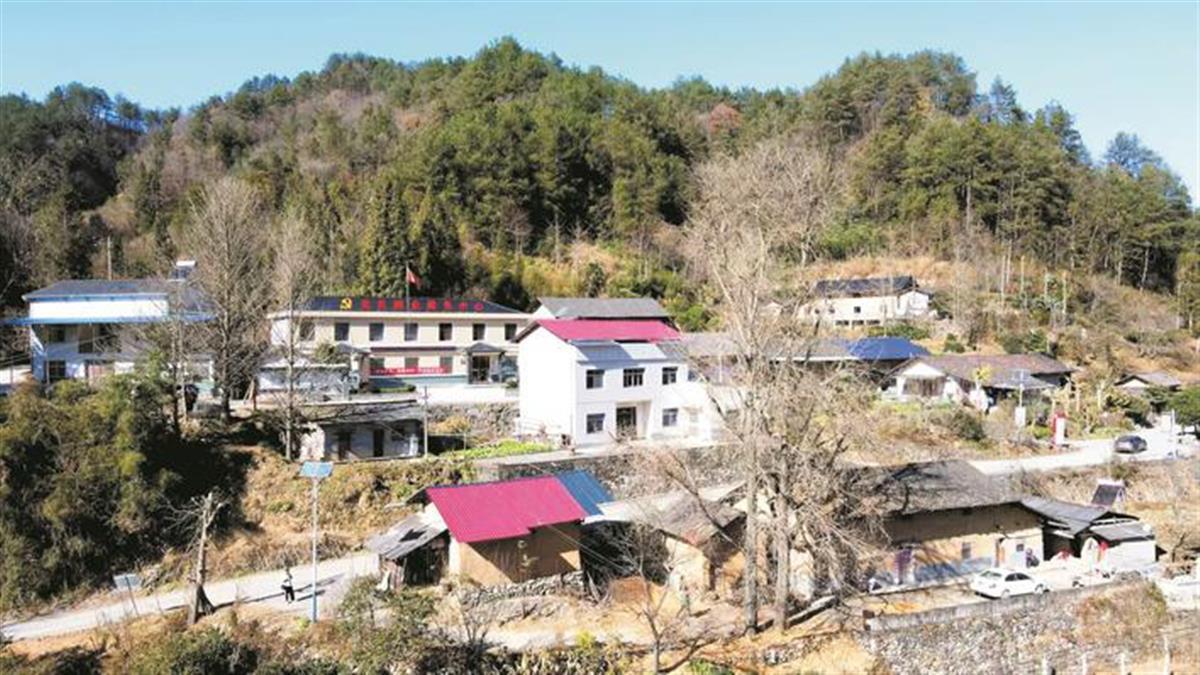
银杏掩映下的马卧泥村Mawoni Village surrounded by ginkgo trees
为了将古树名片擦得更亮,马卧泥村新种植银杏树5000棵,引进银杏新品种300棵。“你看这主公路的两旁,全部栽上了银杏树,山上还有大片的杜鹃花。”驻村第一书记王建华说,来马卧泥,可以春天看花、夏天避暑、秋天赏叶。
To enhance its reputation as a village of ancient trees, Mawoni Village has recently planted 5,000 ginkgo trees and introduced 300 new varieties. “Both sides of the main roadare all adornedwith ginkgo trees, while extensive plains of azalea flowers cover the mountains,” said Wang Jianhua, the first secretary stationed in the village. He added that when visitingMawoni one can enjoy beautiful blossoms in spring, escape the heat summer, and experience the best of golden in autumn.
游客多了,农家乐生意自然红火。向婆婆说,每年银杏叶黄的个把月,他们一家接待了几十桌游客,盈利8000多元。像这样的农家乐,村里还有9家,每年可为村民增收15万元。
Thanks toan influx of tourists, the village’s agritainment businessis now thriving. Mrs.Xiangnotes that during the couple of months when the ginkgo leaves turn yellow, theyserve dozens of guests, earning over 8,000 yuan in profits. In the village, there are nine similar farmhouses,contributing an annual additional income of 150,000 yuan to villagers.
(图片由通讯员谢阳摄)
(XieYang/Jimu News Correspondent)