
九曲百汊黄龙湖 万里茶道上的一颗珍珠
Huanglong Lake, a Pearl on the Ten-Thousand-Li Tea Route
极目新闻记者 陈勇
通讯员 祁怀清 熊友清
翻译: 潘湘 孙晴 尚绮(湖北大学)
Jimu News
Reporter: Chen Yong
Correspondents: Qi Huaiqing, Xiong Youqing
Translators: Pan Xiang, Sun Qing, Shang Qi (Hubei University)
汉水汤汤,奔流向东。在汇入长江前约60公里处,突然向北急转,北行8公里后又掉头南下,形成一个向北方高高竖起的“大拇指”。这个“大拇指”与正下方紧握的拳头一起,共同勾勒出汉川市马鞍乡的轮廓。而黄龙湖,就在这个拳头的中心处。
The mighty Hanjiang River flows eastward. About 60 kilometers before it empties into the Yangtze River, it suddenly turns northward and travels 8 kilometers before turning south again, forming a “thumb” that rises high towards the north. This “thumb”, along with the fist-shaped terrain below, outlines Ma’an Township in Hanchuan. Huanglong Lake is right at the center of the fist.
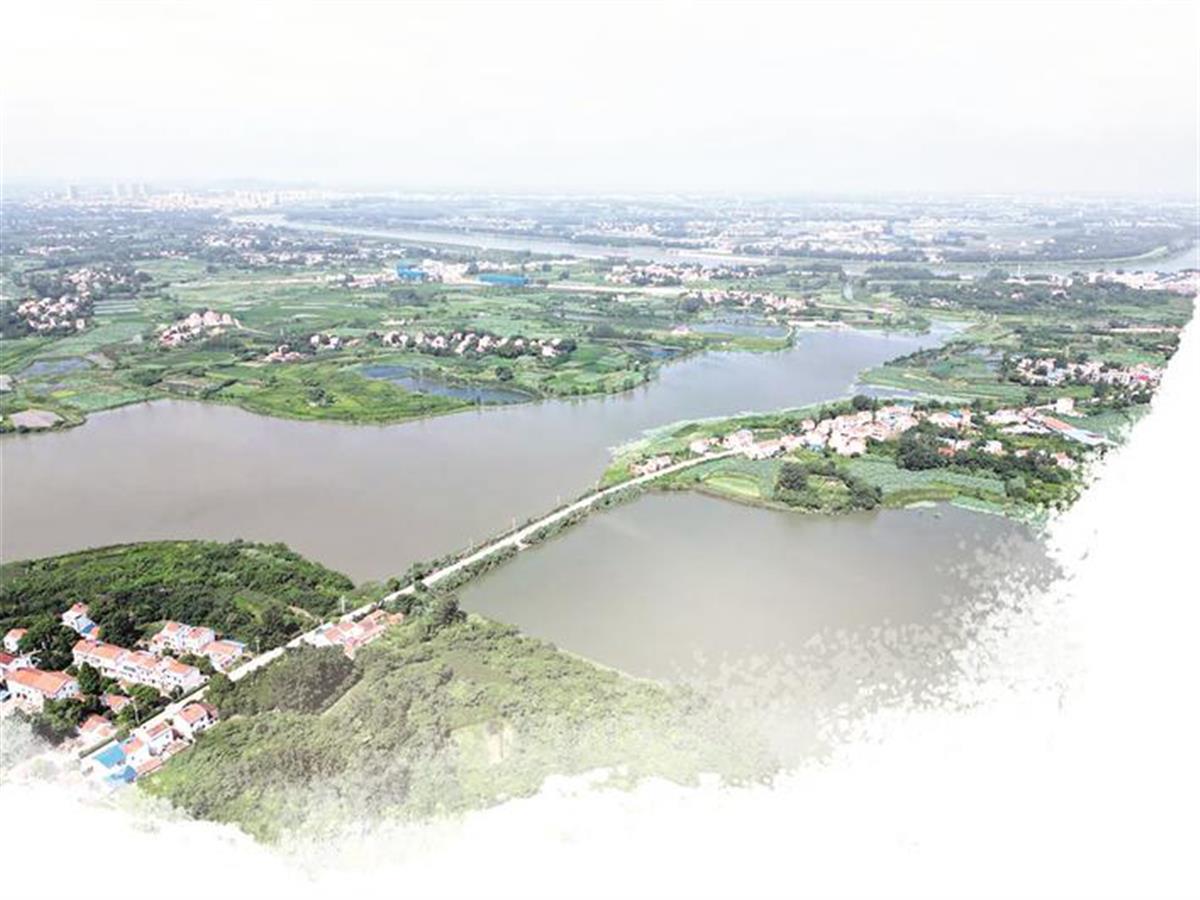 黄龙湖湖汊众多(通讯员供图) Huanglong Lake with its Numerous Branches and Narrow Bends (Pictures are provided by the correspondents)
水运的便利,让汉川成为茶叶北上的重要节点城市。在万里茶道两个半世纪的繁荣中,遗落路旁的珍珠黄龙湖,因为独特的地理环境和丰饶的物产,孕育出马口陶、榔头鳝。今年,第九届中蒙俄万里茶道城市合作会议将在汉川举行,茶道沿线城市的代表将齐聚黄龙湖畔,共商万里茶道复兴。
The convenient water transportation has made Hanchuan a hub in transporting tea to the north. During the prosperous two and a half centuries of the Ten-Thousand-Li Tea Route, Huanglong Lake, a pearl lost on the route, has nurtured Makou Pottery and Langtou Eel due to its unique geographical advantage and abundant resources. This year, the 9th China-Mongolia-Russia Ten-Thousand-Li Tea Route City Cooperation Conference will be held in Hanchuan, and representatives from the cities along the route will gather by Huanglong Lake to discuss the revival of the Ten-Thousand-Li Tea Route.
九曲百汊天然野生湖
Huanglong Lake, a Natural Wild Lake with Numerous Branches and Narrow Bends
从地图上看,黄龙湖湖汊众多,弯曲狭窄。黄龙湖水面面积5000亩,流域面积万余亩,传说,黄龙湖有九十九条湖汊,每当雨季,汇集周围来水,湖水呈橙黄色,犹如一条弯曲的黄龙,故名黄龙湖。
As can be seen from any map, Huanglong Lake has numerous branches and narrow bends. With a water surface area of 5000 mu, Huanglong Lake has a drainage basin area of over 10, 000 mu. The lake is said to have 99 branches. During the rainy season, when all the branches empty their water into the lake, it turns yellow, resembling a yellow dragon, hence its name Huanglong Lake (literally Yellow Dragon Lake).
难得的是,黄龙湖是一个天然的野生湖。大自然的鬼斧神工,在江汉平原东部边缘,雕琢出一个独特的甑(器皿)。汉川古称甑山,县城就设置在黄龙湖畔。由北周至隋唐,这里都是政治经济与文化中心。
Huanglong Lake is a rare sight for a natural wild lake. The uncanny craftsmanship of nature has carved a unique Zeng (an ancient earthen utensil used for steaming rice) on the eastern edge of the Jianghan Plain, giving Hanchuan its ancient name Zengshan. The county seat of Zengshan was located by Huanglong Lake, which was a political, economic, and cultural center from the Northern Zhou Dynasty(557—581)to the Sui and Tang Dynasties(581—907).
隋唐时,南阳王朱灿率兵在此烧杀抢夺,毁掉故县甑山。战乱平息后,甑山迁往今汉川市仙女山,因汊水流经县境更名汊川县,后更名为汉川县(现为汉川市)。
During the Sui and Tang Dynasties, Zhu Can, the King of Nanyang, led his rebellion troops to the ancient county of Zengshan which they attacked and destroyed. After the war subsided, the county seat of Zengshan was moved to Xiannv Mountain in present-day Hanchuan City and was renamed Chachuan County as the Chachuan River runs through it. The name was, however, later changed to Hanchuan County (now Hanchuan City).
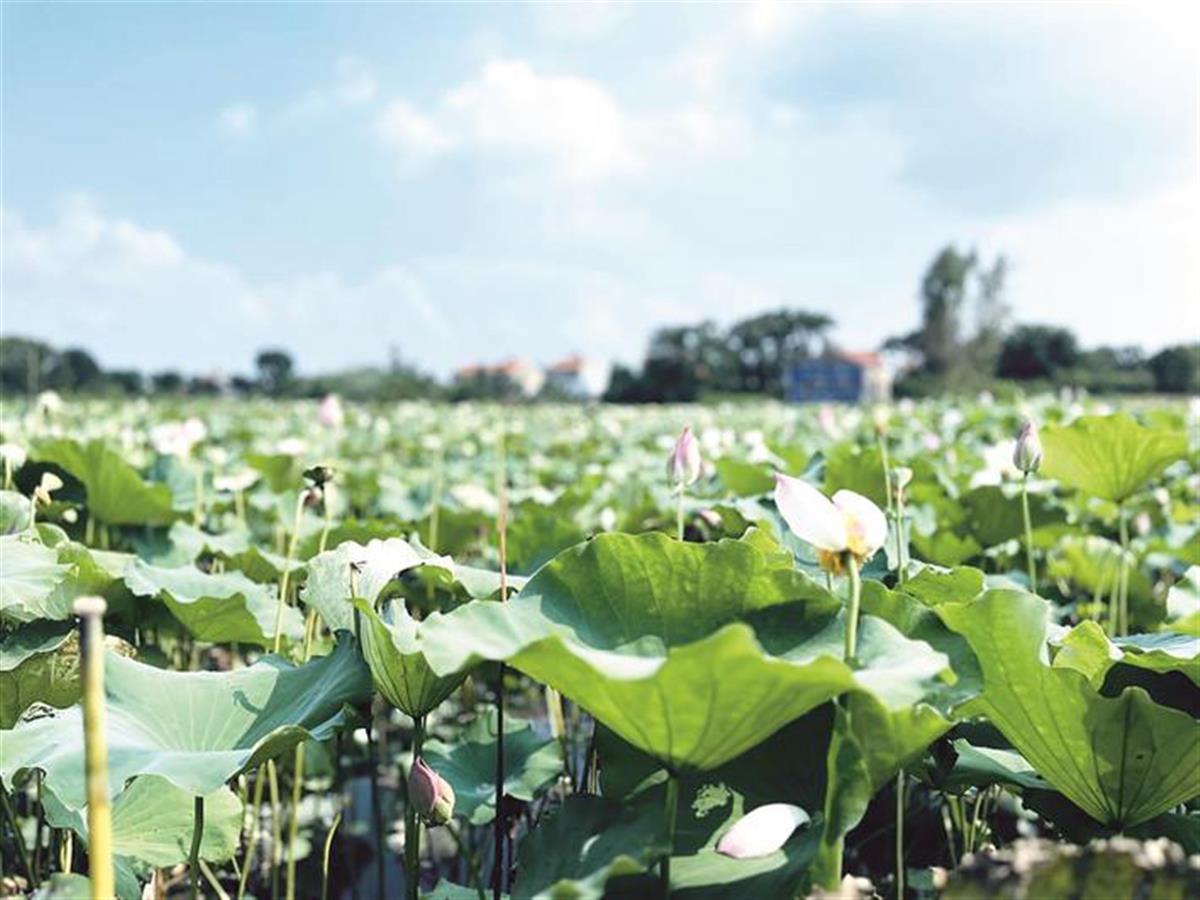 陡山村的太空莲 Taikong Lotus in Doushan Village
虽已立秋,天气依然酷热难当。沿着黄龙湖畔而行,见得最多的便是荷花,盛开的荷花点缀在碧绿的荷叶间,一个个果实饱满的莲蓬探出头来,散发着诱人的莲香。
Although autumn has arrived, scorching temperatures are still a normalcy. Walking along the lake, all in view are blooming lotus flowers interspersed among the green leaves with lotus seedpods bearing fruits emitting an enticing fragrance.
马鞍乡陡山村党支部书记熊文俊是村里最早种植莲蓬的。“2007年,我试着种了一年,收获后把莲子给一个做生意的朋友带到武汉去卖,效果很好。”
Xiong Wenjun, Secretary of the Party Branch of Doushan Village in Ma’an Township, is the earliest person in the village to farm lotus seeds. “In 2007, I made an attempt to grow lotus seeds for a year. After harvesting, I asked one of my friends to sell them in Wuhan, and they sold very well there.”
陡山村利用水资源丰富的优势,因地制宜引进太空莲种植,依托专业合作社,已形成“产、供、销”一体化发展模式。
With the advantage of abundant water resources, Doushan Village has begun cultivating Taikong lotus. Relying on its professional cooperatives, it has formed an integrated development model of “production, supply and sale”.
经过几年的发展,村里有160户农户种植莲蓬,总面积1100亩左右。因为黄龙湖畔水好土好,种出来的莲子鲜甜味美,销路基本上不愁。“目前有5个合作社在收莲蓬,可以接到来自上海和北京的订单。”
After years of development, 160 households in the village now farm lotus seeds, with a total area of about 1100 mu. The high-quality water and rich soil of Huanglong Lake produces sweet fresh lotus seeds which are highly popular on the market. Currently, there are 5 cooperatives collecting lotus seeds that can receive orders from Shanghai and Beijing.
熊文俊介绍,太空莲经济效益高,莲花、莲房、莲叶、莲须都具有食用价值和药用价值,预计亩产1500斤左右。1100余亩荷塘不仅扮靓了乡村,更铺就了一条致富大道。
Xiong Wenjun introduced that Taikong lotus has high economic benefits, and its flowers, seedpods, leaves and stamen all have edible and medical value. The seed yield per mu is expected to be about 750 kilograms. More than 1100 mu of lotus pond not only adds to the beauty of the village, but has also paved a way to prosperity for local residents.
一条鳝鱼养活一条街
An Eel Feeds a Street
黄龙湖水源,来自长江最大支流汉江。优质的水源,让黄龙湖出产优质的水产品,其中更以鳝鱼最为有名。
Huanglong Lake is fed by the Hanjiang River, the largest tributary of the Yangtze River. The high-quality water source allows Huanglong Lake to produce high-quality aquatic products, among which eels are the most famous.
在武汉、孝感等地,经常能看到名为“榔头蒸鳝”的餐馆。这道菜,便是黄龙湖丰厚物产的回馈。
Restaurants named “Steamed Langtou Eel” can be often seen in Wuhan, Xiaogan and other cities in Hubei province. The famous dish is definitely a gift of the rich natural resources of Huanglong Lake.
黄龙湖畔有个村子,名为榔头村。村里有一条主干道,道路两侧的餐馆林立,招牌上都有“榔头蒸鳝”这几个字,一条鳝鱼,养活了一条街。
Langtou is a village by Huanglong Lake. The main street that runs through the village is lined with various restaurants which all have the famous dish “Steamed Langtou Eel” on their signage. Indeed, an eel feeds a street.
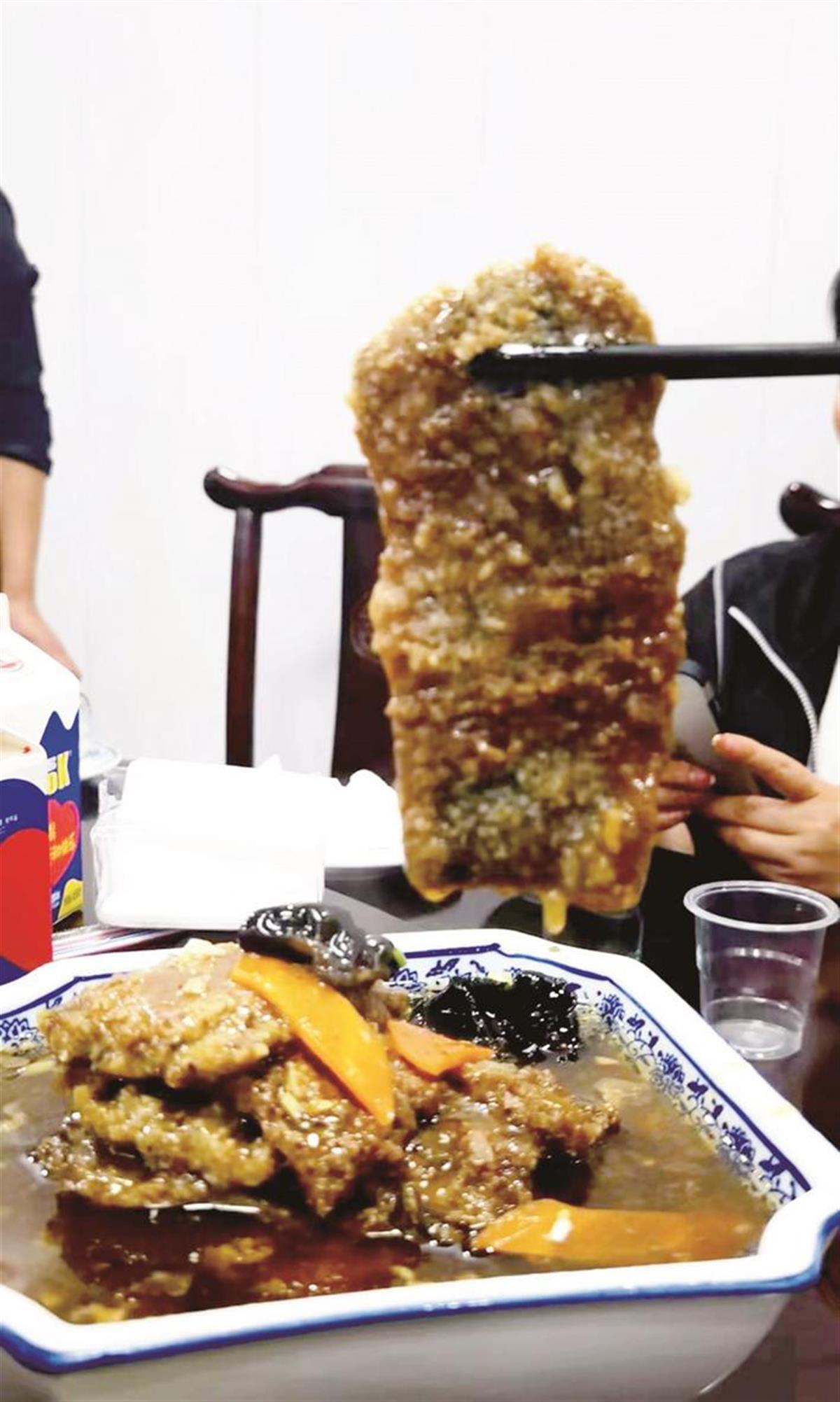 榔头蒸鳝 Steamed Langtou Eel
“整条街上,做鳝鱼的有十几家,每到周末,家家爆满,都是来自武汉、孝感的食客。”去年,胡继平夫妇,在街上开起了一个名为“陶景园”的农庄,主打榔头蒸鳝。他介绍,榔头村距离武汉的蔡甸开车只要十来分钟,不少人慕名而来,“还有台湾的客人专门来这里吃鳝鱼。”
“There are a dozen of restaurants along the street serving eel and they are often crowded with diners from Wuhan and Xiaogan every weekend.” Last year, Hu Jiping and his wife opened a restaurant called “Taojingyuan” along the street and “Steamed Langtou Eel” is their speciality dish. He introduced that as it is only a ten-minute ride from Caidian in Wuhan to here, many visit just for this dish. “There are even diners all the way from Taiwan province,” he said.
农庄里做鳝鱼的师傅叫熊江桥,今年45岁的他,已经做了30多年的鳝鱼了。他的师傅,便是胡继平的父亲。
The 45-year-old chef Xiong Jiangqiao in Hu Jiping’s restaurant has cooked eels for 30 years, a skill he learned from Hu Jiping’s father.
熊师傅说,榔头蒸鳝讲究边杀边蒸,全在一个“鲜”字。鳝鱼块是用米粉包裹着的,浸泡在用油盐酱醋制成的汤汁中,米糯鱼甜油香醋酸,五味调和。拈起一块鳝鱼,在汤汁中蘸一蘸,送入口中,鳝鱼块入口即化,不柴不腻,吃完之后,唇齿留香。
Chef Xiong says that the key to making “Steamed Langtou Eel” is to steam the eels immediately after slaughter so as to retain the freshness of the eel. Eel pieces are coated in rice flour when steamed. Diners can dip the eel pieces into the sauce made of oil, salt, soy sauce and vinegar creating a wonderful blend of flavors from the soft rice, fresh eel, fragrance of the oil and sour vinegar. One can fully savor the dish, its tender lingering sweetness and freshness from one bite.
而要做好这道菜,必须要用产自黄龙湖的野生鳝鱼,“二两左右大拇指粗细最佳”。因为与汉江连通,黄龙湖的水质总是保持着极好的状态。黄龙湖中常年生长着丰富的莲叶、菱角、芦苇等水生植物,这些水生植物既是小鱼小虾的食物,黄龙湖流域出产的野生鳝鱼以新鲜野生的小鱼小虾为食,肉质香甜。
The wild eels from Huanglong Lake are the key to a good dish of Steamed Langtou Eel. “Eels that generally weigh about 100 grams with the thickness of a thumb are the best.” Sourced in the Hanjiang River, Huanglong Lake always enjoys good water quality and a variety of aquatic plants such as lotus, water chestnuts and reeds, which provide abundant food for small fish and shrimp. Feeding on these wild fish and shrimp, wild eels from Huanglong Lake boast an especially fresh and sweet flavor.
马口陶传承千年窑火
Makou Pottery Inherits Thousands of Years’ Kiln Culture
除了鳝鱼,黄龙湖边最出名的特产便是马口陶。
Makou Pottery is another famous speciality of Huanglong Lake besides Eels.
2021年4月12日下午,外交部湖北全球特别推介活动在北京举行。湖北黄龙湖马口陶在茶展品区惊艳亮相,并将作为伴手礼,赠送给现场参会外宾。
On the afternoon of April 12th, 2021, Presenting Hubei Province to the World—Special Event of the Ministry of Foreign Affairs was held in Beijing. Makou Pottery from Huanglong Lake in Hubei province made an impressive appearance in the tea exhibition area where it was gifted to foreign guests attending the event as a souvenir.
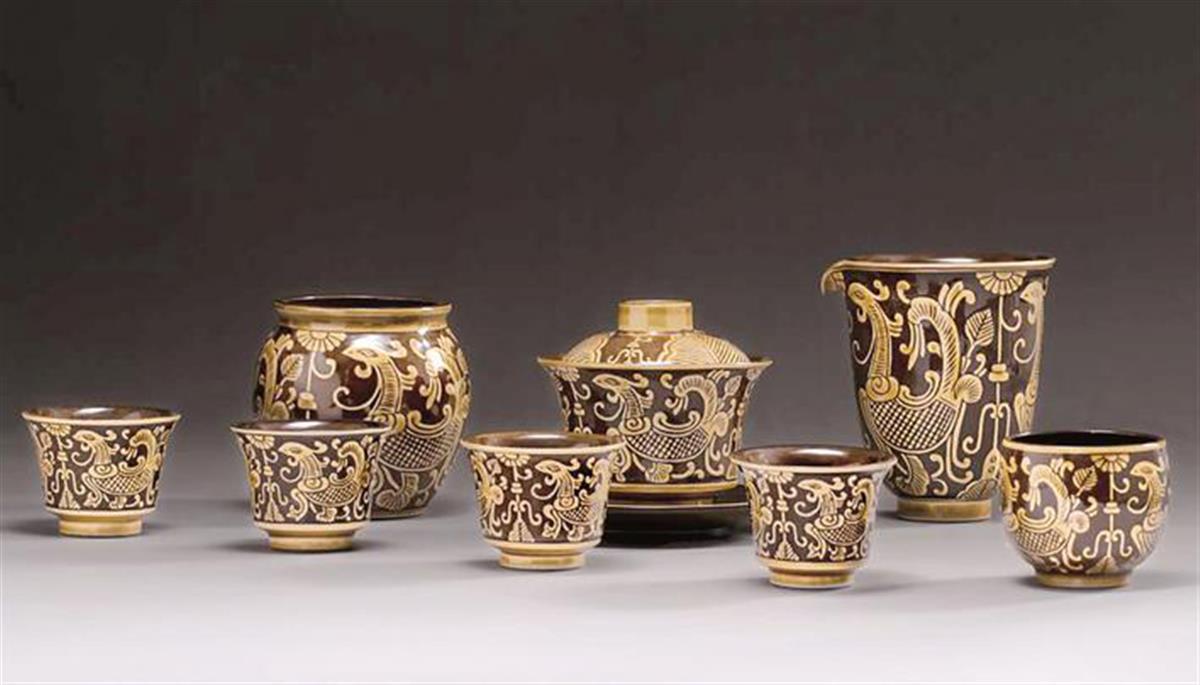 精美的马口陶 Delicate Makou Pottery
马口陶,自古便是湖北三大陶器之一。黄龙湖畔特有的红黏土与鳝鱼黄釉,孕育了始于明隆庆年间、迄今已近500年历史的马口陶文化。
Makou Pottery has been one of the three famous potteries in Hubei since ancient times (the other two being Caijiashan Pottery from Macheng and Guanjia Pottery from Qichun). The red clay and eel yellow glaze unique to Huanglong Lake have nurtured the Makou Pottery culture which can be traced back to the reign of Longqing in the Ming Dynasty more than 500 years ago.
据《汉川县志》记载,马口窑鼎盛时期,数百口窑分布于此,数千名工人挥汗如雨制陶烧陶,形成“十里窑场不夜天”的盛况。
According to Hanchuan County Annals, hundreds of kilns were built here during the heyday of Makou Kiln. Thousands of workers labored day and night to make and burn pottery, forming a stunning scene of “ten miles of sleepless kilns”.
20世纪80年代,马口窑日渐式微。2000年,随着最后一个窑口的关闭,辉煌数百年的马口陶器逐渐从人们的生活中消失,成为一个口口相传的文化符号。
In the 1980s, Makou Kiln was in decline. In 2000, with the last kiln closed, the Makou Pottery which had flourished for centuries faded from people’s lives and became a cultural symbol passed down by word of mouth.
2008年,马口窑古窑址被列入湖北省级文物保护单位,2011年马口陶器烧陶技艺入选湖北省非物质文化遗产。
In 2008, the ancient site of Makou Kiln was listed as a provincial-level cultural relic protection unit of Hubei province. In 2011 Makou Pottery was selected among Hubei’s provincial-level intangible cultural heritage.
2019年6月,湖北黄龙湖文旅集团在汉川市马鞍乡,修复了马口窑、喻集龙窑,建起黄龙湖马口陶文化传承基地。
In June, 2019, Hubei Huanglong Lake Culture & Tourism Group restored the Makou Kiln and Yuji Dragon Kiln in Ma’an township, Hanchuan city, establishing the Makou Pottery Cultural Inheritance Base of Huanglong Lake.
基地的马口陶非物质文化遗产传承人李广,出生于1990年,从小跟着大伯学习陶艺雕花技术,爱好学习的他后来又到景德镇等地深造。
Li Guang, born in 1990, is an inheritor of the intangible cultural heritage of Makou Pottery in the base. He learned pottery carving techniques from his uncle at an early age, and later on, out of a strong passion for it, traveled to numerous places including Jingdezhen (a place known as China's porcelain capital) for further study.
“历经500多年的传承,马口陶根植于民间沃土,承载着荆楚文明,我们有责任和义务将它传承下去。”李广说,传承基地现在的年轻人很多,最年轻的只有20岁左右。“我们欢迎更多的人来这里,我们也愿意把技术毫无保留地教给他们。”
“Makou pottery, which has been passed down for more than five centuries, is rooted in the rich local culture and is a symbol of Jingchu civilization. We have the responsibility to carry it forward,” says Li. He further introduced that there are more young people in the base with the youngest being only about 20 years old. “We welcome more people here, and we will gladly share all we know about pottery.”
黄龙湖马口陶文化传承基地有关负责人说,基地将定期举办开窑节,展现马口窑陶艺、传播马口陶文化,推动马口陶文化融入现代社会,探索传统艺术和现代工艺的融合发展新路径。
The head of the base stated the base will hold a kiln opening festival regularly to showcase the art of Makou pottery, spread its culture and promote its integration into modern society, thus exploring a new path for the integrated development of traditional art and modern crafts.
以茶为媒迎国际盛会
Tea, the Medium for International Events
毗邻陶文化传承基地的,则是黄龙湖茶文化博物馆。
Close to Makou Pottery Culture Inheritance Base is the Huanglong Lake Museum of Tea Culture.
博物馆总建筑面积1万余平方米,分为茶仓展示、茶席展示、茶修学堂、茶制作流程展示、茶实验室、茶文化报告厅六大主题功能区,其中展示厅包括湖北名茶馆、中国名茶馆、国际名茶馆、万里茶道馆等五大展馆,是目前国内收藏茶品种类和数量较多的藏馆之一。
With a total construction area of more than 10,000 square meters, the museum has six themed functional areas: tea storehouse, tea ceremony exhibition, tea discipline on moral cultivation, tea processing, tea laboratory and tea culture lecturing. The exhibition hall has five tea rooms, showcasing Hubei Noted Teas, China’s Noted Teas, World-renowned Teas and Ten-Thousand-Li Tea Route respectively. The museum boasts one of the largest collections of tea in terms of its variety and quantity.
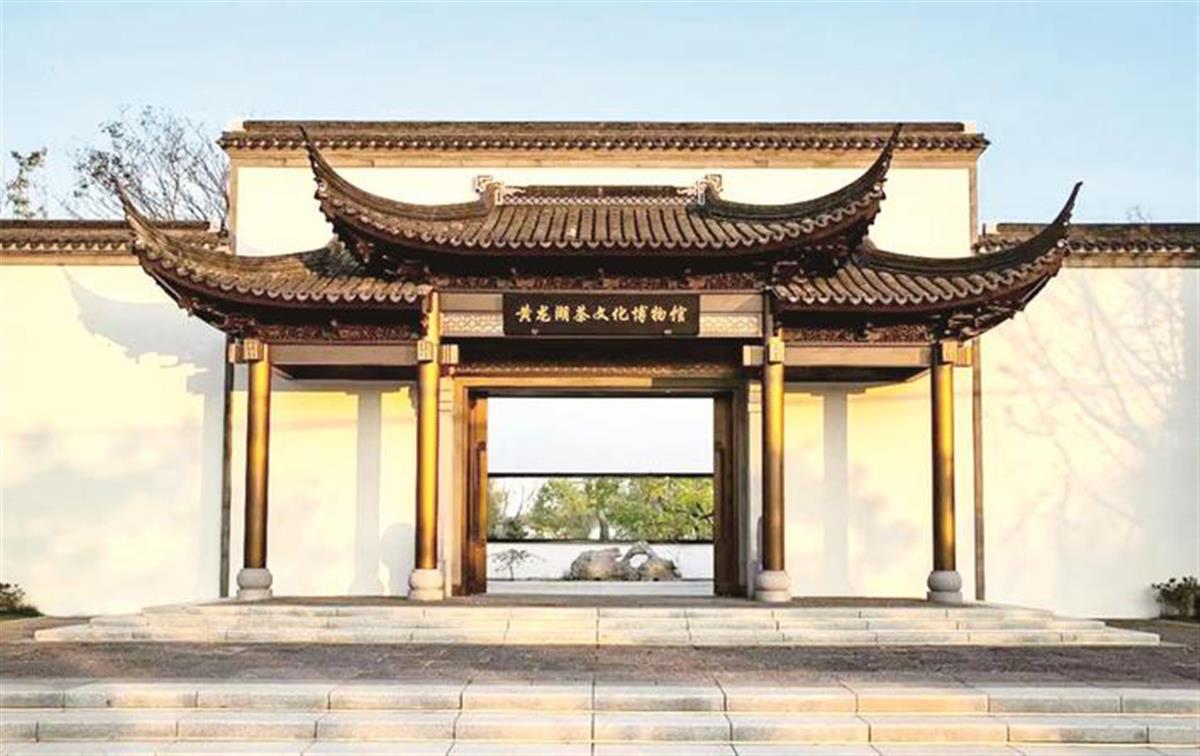 黄龙湖茶文化博物馆 Huanglong Lake Tea Culture Museum
汉川并不是茶叶的主要产区,但却是万里茶道的必经之路。万里茶道是17世纪末至20世纪初,继中国通往世界的丝绸之路衰落后兴起的又一条国际商道。它南起中国福建武夷山,延伸至俄罗斯圣彼得堡,全长1.3万公里,纵贯中蒙俄,是历史上跨越陆地距离最长的商贸通道。
While Hanchuan is not a main planting area of tea, it is a crucial hub on the Ten-Thousand-Li Tea Route which connected China to the rest of the world from the late 17th century to the early 20th century after the decline of the ancient Silk Road. Running through China, Mongolia and Russia, the 13,000-kilometer-long route starts from Wuyi Mountain in Fujian Province and stretches to St. Petersburg in Russia, recording the longest trade route across land in history.
在湖北境内,万里茶道沿汉江北上,在汉川境内拐了一个大弯,这也让汉川成为万里茶道的重要节点城市。2023年第九届中蒙俄万里茶道城市合作会议,将在孝感汉川市黄龙湖畔召开。
In Hubei Province, the Ten-Thousand-Li Tea Route travels north along the Hanjiang River and swerves sharply in Hanchuan, making Hanchuan an important hub along the route. In 2023, the 9th China-Mongolia-Russia Ten-Thousand-Li Tea Route City Cooperation Conference will be held in Huanglong Lake, Hanchuan of Xiaogan City.
目前,会议的各项准备工作正加速推进。借着国际盛会的东风,万里茶道旁的这颗珍珠,将迎来新的发展机遇。
Currently, preparations for the conference are proceeding as planned. It is expected that the international event will bring the pearl along the tea route new opportunities for development.