
“樵歌”已不闻 伍岭焕新颜
Gone are the Days When Woodcutters Sung, A New Look Wuling has Taken On
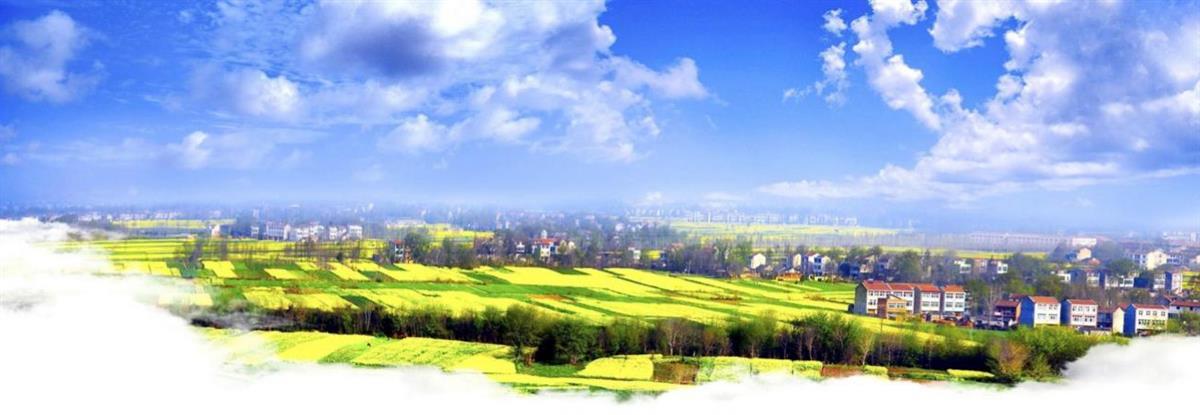
每年4月,伍家山脚下油菜花开,一片绝美金黄 Every April, the foot of Mount Wujia covered in a field of golden rape flowers
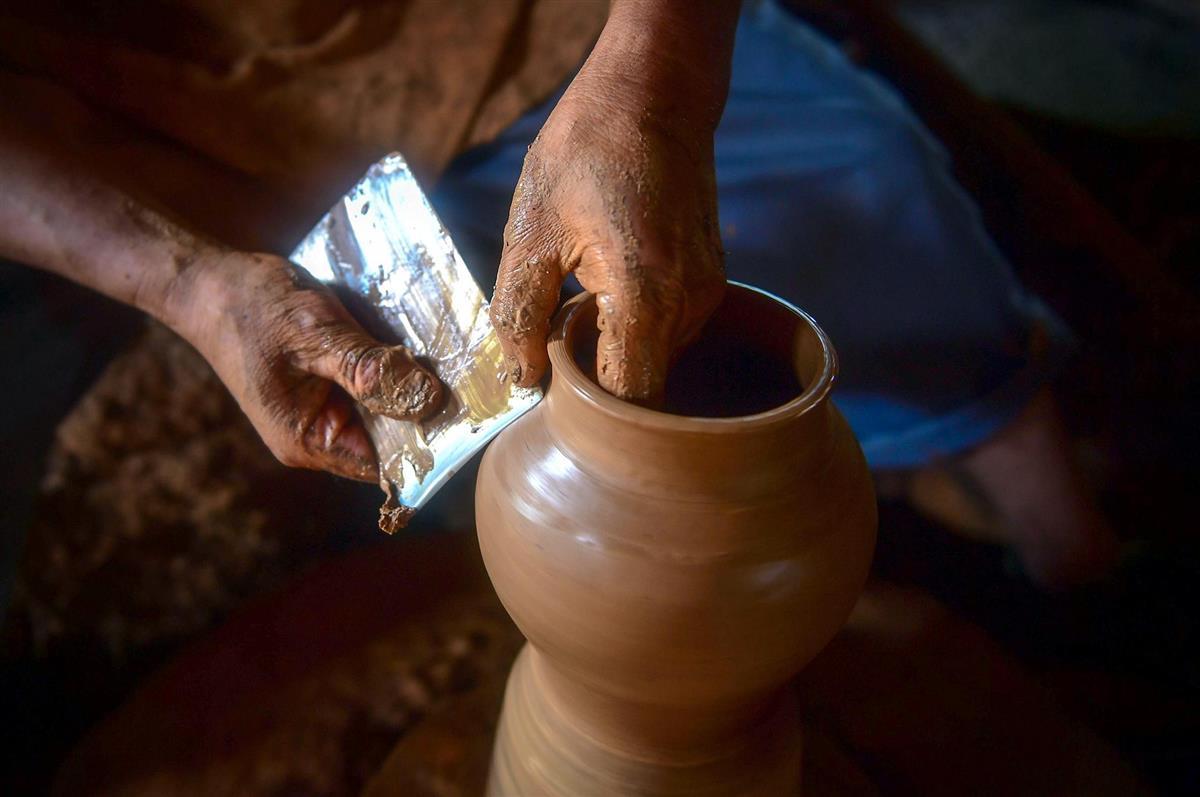
伍家山上的制陶人精心打磨泥坯 A potter in Mount Wujia polishing pottery
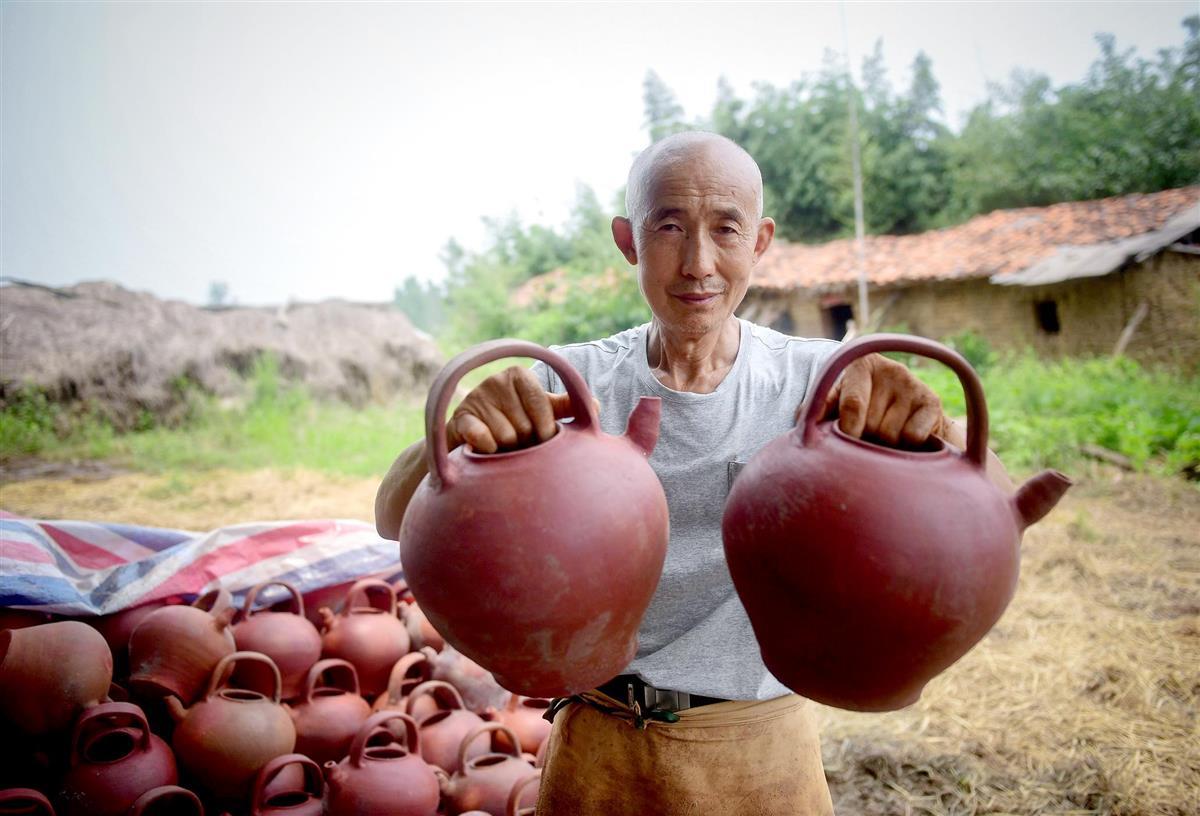
胡光荣和他制作的伍家山陶 Hu Guangrong and his Wujiashan Pottery
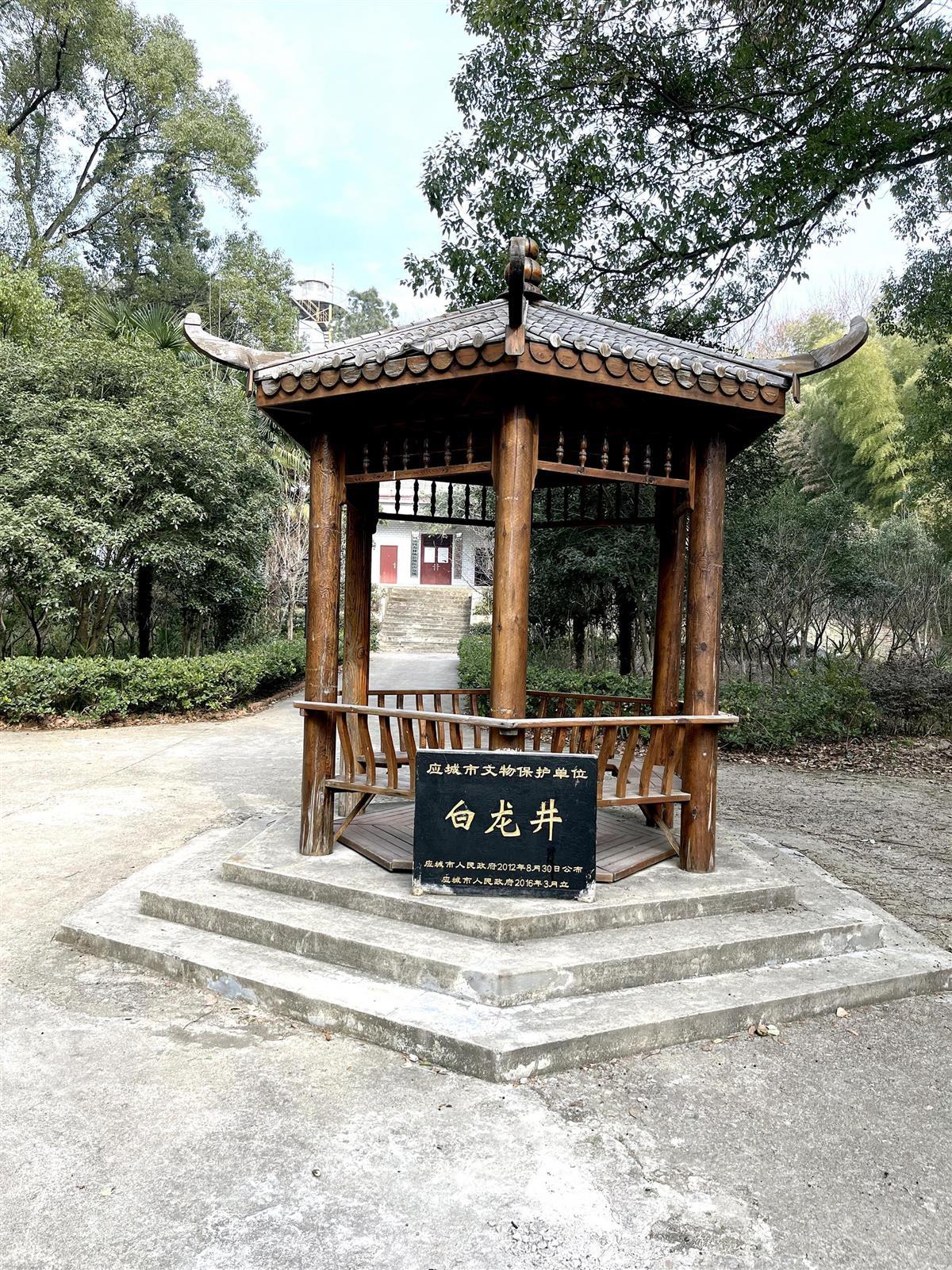
晴雨台已无存,此地仅余白龙井 The weather forecasting terrace has long disappeared, with only Bailong Wellstill surviving
楚天都市报极目新闻记者 陈勇
通讯员 冯璇
翻译:潘湘 孙晴 尚绮 (湖北大学)
本版摄影:楚天都市报极目新闻通讯员 郑毅
Jimu News Reporter: ChenYong
Correspondent: FengXuan
Translators: Pan Xiang, Sun Qing, Shang Qi (Hubei University)
Pictures are provided by correspondent ZhengYi
时已入深冬,在应城市伍家山,依然满山苍翠,百鸟云集。有牧羊人赶着羊群,在林间穿行,制陶的窑匠,仍精心地打磨着泥坯,一派世外桃源的景象。
Although it is mid-winter, Mount Wujia in Yingcheng is still lush and green, with swarms of birds flocking together. A villageris herding his goats in the woods and a potter is polishing his pottery, all together painting a scene of idyllic beauty.
“山色染青螺,微雨初过,绿林深护野云窝;时有樵人携伴至,踏踏行歌。”这是清代田园诗人万瑞旒对伍家山绝佳的描绘。
“As the drizzle comes to an end, the forest is tinged dark green. Lush trees shelter a plume of cloud. Occasionally, a woodcutter sets foot here with his companions, and their songs echo in the mountain”. This is a marvelous description of Mount Wujia by the pastoral poet Wan Ruiliu(1829A.D.—1875A.D.)in the Qing Dynasty.
而如今,樵人已不见,掩映于山水之间的伍家山村,以和美乡村的面貌破茧而生。
Now, the days when woodcutters sung are long gone, and Wujiashan has taken on a new look, becoming a beautiful and harmonious village amid mountains and waters.
“一夜黄”的故事世代相传
The Story of “Changing One's Surname from Wu to Huang Overnight” is Passed Down to Generations
1月3日,极目新闻记者来到位于应城市三合镇的伍家山村。这里是江汉平原和丘陵的过渡地带,但地势依然十分平坦。伍家山不高,海拔最高也只有77米,但在这样的广袤的平畴沃野上,伍家山仿佛突兀而起,隔河与云梦清明河相望。
On January 3rd, the Jimu News reporter visited Wujiashan Village, Sanhe Town of Yingcheng City. Situated between Jianghan Plain and hilly land, the village enjoys a flat terrain and Mount Wujia, with an altitude of 77 metres, rises abruptly in the stretching fertile land opposite the Qingming River of Yunmeng County.
伍家山周边黄姓特别多。说起伍家山这个名字的来源,村子里的老人们说法不一,有的说是与伍子胥有关,有的说并非伍子胥,而是另一个隐士“伍员”,但都有关于“一夜黄”的说法。
Many residents surnamed Huang live around Mount Wujia. Elderly locals have different versions on how the village got its name “Wujiashan”(literally the Mount of Wu Family).Some believe it got its name from Wu Zixu (559B.C.- 484B.C.),a strategist in the Spring and Autumn Period, but others refute this assumption claiming it originated from a recluse named Wu Yuan. However, all agree with the story of “changing one's surname from Wu to Huang overnight”.
当地传说,伍子胥全家被楚平王追杀,曾在伍家山的一位宗亲处隐居避祸,后来行踪败露,伍子胥连夜从伍家山出发,经应城、云梦等地,最后到达吴国。临走前,伍子胥让宗亲烧毁与伍姓相关的所有证据,全族一夜之间全部改姓“黄”,“一夜黄”的故事于是在这里世代相传。
According to local legend, in the Spring and Autumn Period, Wu Zixu and his families were hunted by King Ping of the Kingdom Chu.They escaped to Mount Wujia and hid in a house of family from his clan. However, they were soon discovered and had to leave at night travelling through various places such as Yingcheng and Yunmeng before finally arriving in the State of Wu. Before he left, WuZixuaskedhis clanto burn anyevidence with the surname “Wu”, and the clan changed their surname from “Wu”to “Huang” overnight.Thus the story “changing one's surname from Wu to Huang over night”has been passed down from one generation to another.
而据《光绪应城志》载:“伍家山,一名五茄山,隐士伍员居之。”“此别一伍员,非伍子胥也。”
However, according to Annals of Yingcheng County compiled during the reign of Guangxu(1875A.D.-1908A.D.)of the Qing Dynasty,“Wujiashan was the place where the hermit WuYuan once lived.” “The hermit WuYuan was not the strategist Wu Yuan”①.
(①The strategist Wu Yuan refers to Wu Zixu,the famous strategist in the Spring and Autumn Period. His original name was Wu Yuan and Zixu was his style name.)
历史真相如何已经难以考证,但峰峦层叠的伍家山,依旧静静地耸立,成为古蒲阳八景之一的“伍岭樵歌”景点。
While confirming the truth of what incurred has proved to be a difficult task, the emerald peaks of Wujiashan continue to loftily tower there, becoming one of the eight famous scenic spotsin ancient Puyang--- Wuling Qiaoge(Woodcutters' Song in Mount Wujia).
伍家山上,最多的无疑就是树了。山间古木参天,以松树为主。伍家山林场的办公地就掩映在林间,院内还有一口白龙井。
Undoubtedly, trees abound in Mount Wujia. Many ancient trees tower to the sky, among which pinesare the majority. Mount Wujia forestry centre set its office in the dense woods where an ancient well named Bailong (white dragon) has been kept intact in the courtyard.
史料记载,唐贞观十年,山上建起一座柏林寺,又名白龙寺,寺内原有石塔、禅房、大殿、香炉、藏经阁,今已毁,仅存寺内取水井,也就是白龙井。据说,白龙井有一个特殊景观,每当井口升起霎气或井水外溢时,便可预示雷雨天气来临。当地农民经年以此测晴雨,安耕作。清代此处筑有晴雨台一座,现已无存。
According to historical records, a temple named “Bolin Temple” or “Bailong Temple” was built in 636A.D. in the Tang Dynasty. After thousands of years of vicissitudes, the stone pagoda, meditation abode, the temple hall, incense burner and the sutra depository in the temple had all been destroyed with only the Bailong Well surviving. It's said that the well has a unique feature, that is, when mists rise from the well or when the well water overbrims, it forebodes a pending thunderstorm. So,it has become a barometer for local farmers that guides their timing of planting and harvesting. A weather forecasting terrace had been built here in the Qing dynasty, but was later demolished.
白龙井井口为红色现石,整块呈六边形套在井口,外径约60厘米,内径约35厘米。井内壁用青砖砌成,深度达十余米。2012年8月30日被应城市人民政府公布为市级文物保护单位。
The hexagonal head of the Bailong Well is carvedout of a red stone with the outer diameter 60 cm and inner diameter approximately 35 cm. The inner wall of the well is constructed with black bricks, with a depth of more than 10 metres. The well was listed as a site of municipal cultural heritage conservation by the People's Government of Yingcheng Cityon August 30th, 2012.
山顶曾有一个“天坑”
A Sinkhole at the Top of the MountainHu
今年57岁的护林员丁木生,已经在伍家山林场工作了30多年了。初听到这个名字,极目新闻记者以为他是在林场降生的,但丁木生说他算是外来户,取名“木生”是因为“五行缺木”。
Ding Musheng, a 57-year-old forest ranger, has been working in the forestry center of Mount Wujia for more than thirty years. His name Musheng literally means “born (sheng) in the woods (mu)”, which the reporter assumed might be a reference to his being born in the forestry center. But Ding Musheng told the reporter that he is not a native. The reason why his given name is Musheng is that mu(wood) is the element that is lacking in his wuxing(five elements, namely, gold, wood, water, fire and earth).
但来了林场后,就和伍家山结下了不解之缘。从一开始的巡山防盗窃树木,到现在的巡山防火,他走遍了伍家山的每一个角落,“闭着眼睛都能转一圈。”
After he came to Wujiashan forestry center, he felt a sense of belonging. His tasks range from patrolling the hill to preventing illegal woodcutting as well as detecting and preventing fire hazards in the forest. He has seen every corner of the mountain and is so familiar with it that he could even patrol with his eyes closed.
丁木生介绍,伍家山林场有3000多亩,山间最多的,除了树就是鸟了。“每天都是听着鸟叫声睡觉的,要是休假出了山,听不到鸟叫都睡不着。”
Ding Musheng introduced that the forestry center of Mount Wujia boasts an area of 3000 mu (about 494 acres) where birds and trees are abundant. “Every night I sleep to the singing of birds in the woods. Whenever I take a holiday and have to leave the mountains, I find it difficult to fall asleep without the sound of birds singing.”says he.
在山上的生活枯燥而乏味,这么些年下来,丁木生印象中,伍家山一直都是平平静静的。“要说特别的事,是2011年山顶发现了一个天坑。”
Life on the mountainis generally tedious and boring. In Ding's memory, there is nothing special worth mentioning that has happened herein recent years. “The only extraordinary thing that happened might be that a big sinkhole was found at the top of the mountainin 2011.”
丁木生所说的这个天坑,曾被媒体报道过。天坑在周杨村上周湾一条修建在山顶的渠道一侧。根据当时的报道,这个“天坑”最长直径近10米,最宽处约五六米,最深处约七八米,“天坑”底部有一个直径约50厘米的洞口且一直往下延伸,深不见底。
The sinkhole that Ding Musheng mentioned was reported in the media. According to the report, the hole was situatedto one side of the canal built at the mountain top in Shangzhouwan, Zhouyang village. The hole had a diameter as long as ten meters. The widest part of the sinkhole was about five to six meters and the deepest part about seven to eight meters. At the bottom of the sinkhole was an unfathomable cave with a diameter of some fifty centimetres at its mouth.
后来经过勘测,“天坑”与山脚下的一个洞口相通。专家认为,“天坑”是由于水渠长期渗漏,在内部形成了一个洞,再经过雨水冲击,最终塌陷形成的。“现在早已经被填平了,看不到了。”丁木生说。
Furtherexploration revealedthat the sinkhole travelledall the way to a cave at the foot of the mountain. Experts said that the continuousleakage of the canal produced a hole in it which finally collapsed and developed into a big sinkhole at the top of the mountain under the lash of rains. “The sinkhole has been filled and is no longer visible now.”Ding Musheng said.
山中坚守的制陶人
The Last Potter in the Region
说起伍家山,除了漫山遍野的树木,最出名的就是伍家山的陶器。伍家山制陶被列入了应城市第五批非物质文化遗产项目名录。
Besides dense woods, another trademark of Mount Wujia is its pottery. Wujiashan pottery has been included in the fifth intangible cultural heritage program in Yingcheng City.
伍家山背靠清明河、府河,水土洁净,黏土中富含石英砂,加上山柴充裕,历史上,这里就盛产“窑货”,有多家烧制陶器的老窑,大到水缸、陶盆、瓦罐,小到茶壶、火钵、盐罐,一直是十里八乡家家户户认定的家常必备品,邻县的乡人也常来光顾订货。
Mount Wujia is situated beside Qingming River and Fuhe River which provide the necessary clean water, clay rich in silica sand and abundant firewood needed for pottery making. That is why it has long been famous for pottery making and there are many old kilns here used to produce household potteries ranging from water vats, pots and crocks to teapots, fire bowls and salt jars. The potteryare not only the necessities for local families, but also favored items in neighboringcounties.
随着时代的变迁,伍家山村土陶制品鼎盛时期的繁华景象早已落幕。当年一起制作土陶器的匠人们也都涌入了山外的大城市。如今,山中仅剩下一个窑厂。说是窑厂,实际上只有一口窑,一个棚,还有一位坚守的制陶人。
As times havechanged, the thriving pottery-making in the village has declined and most potters have left for big cities. Now,only one workshop is left,which in reality issimplya kiln with a shed and a potter who has stuck to his craft.
在应城市三合镇伍家山土生土长的制陶人胡光荣,祖上四辈都是土陶制作手艺人,他从记事起,便跟祖父、父亲制陶。
Hu Guangrong is the potter who has held on to the craft handed down in his family. He was born in Sanhe Town of Mount Wujia, Yingcheng City and grew up here. His family has been engaged in pottery-making for four generations and he has been making pottery with his grandfather and father since he was a child.
取土、盘泥、打型、拉坯、晾坯、上色……一件土陶器,要经过27道工序,方能成型。在胡光荣40岁以前,平均3分钟就能做好一把土陶壶的壶身。10天一个周期,一窑土陶器要烧6到10小时,800摄氏度以上的窑温,火候全凭经验把控,胡光荣烧的一窑土陶器,“成活率”高达90%。
A piece of pottery has to go through twenty-seven processes, including extracting clay, kneading, molding, casting, airing and coloring, before it finally takes shape. Before the age of 40, Hu Guangrong could finish the body part of a pot in three minutes on average. It takes six to ten hours to bake a kiln of potteries and the whole baking process generally takes ten days. The kiln must be kept at a temperature of over 800 degrees Celsiusin the baking and the amount of heat is totally dependent on Hu's experience. The yield rate of Hu Guangrong's kiln is as high as 90%.
一直藏在深山无人知,但近些年,随着网络的发展,伍家山陶器也开始走出深山。有人定期来收购胡光荣烧制的土陶制品,通过电商平台销售。在应城市举行的一场展销会上,胡光荣的陶器供不应求。
Hu's kiln had long been hidden in the mountains and was seldom known to the outside world. But with the development of the Internet in recent years, Wujiashan pottery has gone beyond the mountains. Traders come at regular intervals to purchase Hu's potteryand then sell them on e-commerce platforms. At a recent trade fair held in Yingcheng, Hu's potterywere so popular that they were even in short supply.
“这些土陶制品朴拙纯厚,使用起来又兼具养生功能,很受海内外文艺、养生圈子内的人士喜欢。”电商达人倪理平说,土陶壶、大叶茶是人们辛劳一日的最好慰藉。“其实,还是这种泥土制成的陶器养人啊。”
“The potteryare plain in design and made of pure materials which have health benefits. They have become favorites in the fields of arts and healthcare at home and abroad.”Ni Liping, an e-commerce retailer said that clay pots and dayetea are the best ways for relaxation for people who have toiled thewhole day. “Actually, the clay teapots do have health benefits.”
山脚下的乡村越来越美
The Village at the Foot of the Mountain Regains It's Lost Beauty
在进山的一条公路边,有着几座烈士墓。据当地人介绍,伍家山曾发生过一次抗击日寇的血战——伍家山之战。战斗从拂晓一直打到晌午,我军有不少指战员牺牲。其中,就有一些人长眠在伍家山。
There are several graves of revolutionary martyrsbesidethe road that runs through the mountain.According to local people, a hard battle against Japanese invaders was fought at Mount Wujia. whichlasted from early dawn until noon.Many soldiers lost their lives in the battle and some of them were buried at Mount Wujia.
伍家山历经战火和盗伐的戕害,树木渐少,秃山渐增。1933年,应城县伍家山林场建立,营林面积1000余亩,树种以马尾松为主。1951年,应城县伍山林场在原伍家山林场的基础上扩建。
Due to wars and illegal felling,trees were greatly depleted and Mount Wujia became nearly bare. In 1933, Yinchengset up Mount Wujiaforestry center, covering an area ofmore than 1000 mu(about 165 acres) and masson pineswere largelyplantedhere. In 1951, the centre was expanded and renamed Wushanforestry center.
经过几十年的封山育林,伍家山又恢复了往日的美丽,而这里的人们,也慢慢地走上了富裕的道路。在山上,极目新闻记者偶遇了一群山羊。羊儿都挂着铃铛,也不怕人,一头接一头地在身前一直走了两三分钟。
After decades of closing the mountain to facilitate afforestation, Mount Wujia has regainedits beauty. Villagers here are reaping the financial benefits and getting more affluent. On the mountain, the Jimu News reporter came across a flock of goats with bells ringing. The goats were not afraid, passing by the reporter comfortably one after another for about two or three minutes.
放羊的村民说,他养了100多头羊,因为都是放养,没有喂饲料,每年来买羊的人很多,收入还不错。
The herder said that he has raised more than 100 freerange goats without ever feeding them fodder, which has brought him a decent income as his goats are favored by many purchasers.
而山脚下的伍家山村,一排排楼房整整齐齐,临近年关,家家户户门口都晒着香肠、腊肉和豆制品,村中老人们坐在家门口休憩闲谈。村内道路干净整洁,村内路旁栽满了樟树、银杏、红叶石楠、海棠、枣树,整体面貌和谐宜居。
At the foot of Mount Wujia, rowsof buildingsstand neatly in the village with sausages,cured meats and bean products hanging at each door as the Chinese New Year is approaching.The elderly chat leisurely at their doors by the clean roads which are lined with camphor trees, gingkos,photinia serrulate, cherry apple trees and jujube trees,painting a beautiful and harmonious picture.
村民们说,前有伍家山,后有静静流淌的府河,过去伍家山村虽有大好自然风光,却位置较为偏僻,交通不畅,村级面貌落后。近年来,三合镇聚焦美丽乡村建设,让落后的伍家山村旧日面貌焕然一新。
Villagers say that the village enjoys a spectacular natural landscape as it is situated against Mount Wujia facing Fuhe River.However it was once undevelopedas it was off the road and not easily accessible. In recent years, it has taken on a new look after Sanhe Town carried out the program of constructing beautiful villages.
不仅是伍家山村,穿过一条水杉林荫道后,就是三合镇集镇。镇政府相关负责人介绍,目前,三合镇正全力打造“茶糯竞香伍山,林水相依三合”的新城镇,目前形成以聂山、凤凰山茶园体验为特色的聂山美丽乡村,以番茄公社、徐三果园采摘为特色的西头美丽乡村,以三结春华养生豆皮为特色的三结美丽乡村,多点开花、串点成线,和美乡村生动画卷正在绘就。“未来,伍家山观光游将会成为三合镇的朝阳产业。”
Wujiashan village is just one of the many examples of radical change in the rural areas. At the end of a metasequoia avenue is the market town of Sanhe. The local government officials introduced that Sanhe Town was making great efforts to reform itself into a town enjoying the fragrance of tea and the landscape of trees and waters.At present, several pilot villages have been set up, they are Nieshan village featuring Mount Nie and Fenghuangshan tea gardens, Xitou village featuring tomato fieldsand Xusan orchards, Sanjie village featuring Sanjie Chunhua to fuskins. These blooming villages have jointly made the town thrive and helped draw a vivid picture of the rejuvenated harmonious and beautiful rural areas. “In the future, Mount Wujia tourism will be a promising industry for the development of Sanhe Town.”the official said.